Renew Your Surroundings: Premier Paint Providers to Enhance Your Home's Aesthetic
Revamping a home through painting can greatly alter its look. The choice of colors is crucial in shaping emotion and perception. Professional painting services present a diverse range of styles tailored to personal choices. Understanding these options and their implications is essential. As homeowners prepare for a transformation, issues about budgeting and planning naturally arise. What aspects will lead to a successful project? The answers may surprise you.
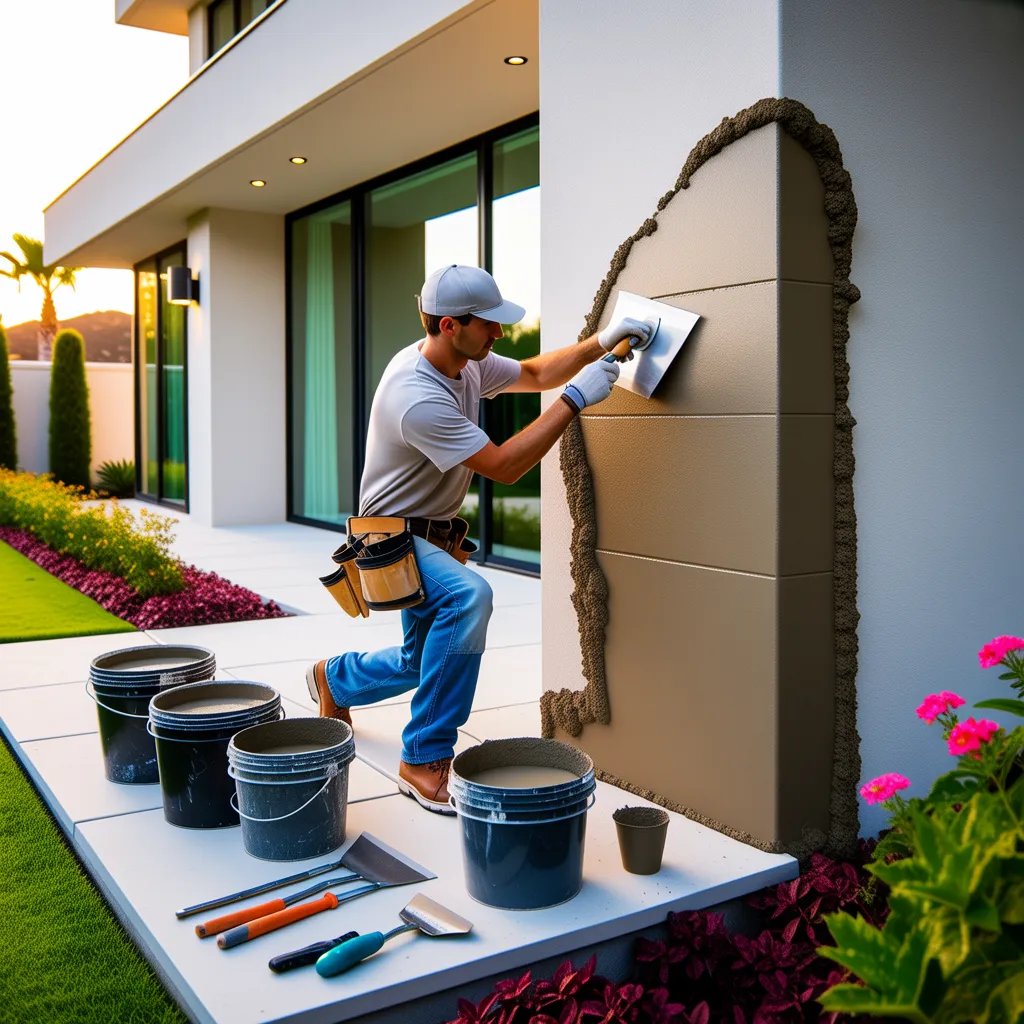
Recognizing the Consequence of Color on Mood and Space
How can hue affect one's understanding of area and feelings? Colors play an essential part in shaping human experiences and emotions. For instance, hot tones like red and orange can inspire vitality and warmth, making a room appear welcoming. In comparison, cold tones such as blue and green often promote tranquility and rest, expanding the understanding of space.
The selection of color can also affect the emotional state of inhabitants. Bright colors may stimulate creative thinking and happiness, while deeper colors can forge a sense of warmth or melancholy. Additionally, lighter colors tend to reflect more brightness, making rooms appear spacious and more airy, while darker tones can produce a warm setting. Therefore, understanding the psychological effects of color helps people make educated choices when designing their living environments, ultimately boosting well-being and contentment.
Picking the Correct Painting Contractor for Your Specific Needs
Picking the right painting contractor can greatly shape the results of a home makeover. Homeowners should commence by evaluating their individual needs, such as the scale of the project and desired finishes. Researching regional painting services is vital; reviews and testimonials can give insight into a business's reliability and standard of work.
Furthermore, prospective customers should request quotes to evaluate costs and offerings provided. This process aids in comprehending what is included, such as prep work, supplies, and guarantees. It is also advisable to inquire about the painting contractors' experience and whether they are certified and protected, ensuring peace of mind during the project.
Finally, clear communication is essential. A good painting company should be receptive to questions and preferences, creating a partnership atmosphere that matches the homeowner's vision. By carefully considering these factors, residents can choose a painter that satisfies their visual aspirations and spending limits.
Sought-After Painting Techniques to Refine Your Home
Throughout the domain of home painting, assorted techniques can notably heighten aesthetic appeal. Accent walls, faux finishes, and color blocking afford unique ways to reconstruct spaces and express personal style. Contemplating these options can establish a more vibrant and inviting home environment.
Accent Wall Design Ideas
Accent walls have become an ever more popular option to add richness and flair to interior spaces. Homeowners are exploring various ideas to make a statement, often incorporating bold colors or original patterns. One popular approach is the use of geometric shapes, which can produce a modern and active feel. Alternatively, nature-inspired tones can bring tranquility, making spaces feel calm and inviting. Textured finishes, such as shiplap or brick, can also add visual dimension and coziness. For a classy touch, metallic paints can provide an elegant sheen, enhancing the overall decor. These design options not only boost the aesthetic but also reflect the homeowner's personal style, making accent walls a handy option for modern interiors.
Mock Finish Approaches
Faux finish styles offer a selection that can convert plain walls into stunning focal points that replicate more expensive materials. Techniques like sponging, ragging, and venetian plaster produce the appearance of texture and depth, boosting visual interest. For example, sponging entails applying a base coat followed by a contrasting color with a sponge, creating a soft, layered finish. Meanwhile, rag rolling utilizes a rolled-up rag to create a unique pattern that adds character to any space. Venetian plaster offers a refined appearance, often seen in upscale interiors. By using these techniques, homeowners can achieve a luxurious look without paying a hefty price, turning faux finishes a popular option for enhancing home decor.
Color Combination Frameworks
Color blocking often commands attention in modern interior design, providing a bold way to define spaces and express individuality. This technique employs using two or more contrasting colors in a single area, establishing visual interest and a dynamic atmosphere. Homeowners can implement color blocking strategically, such as painting an accent wall or dividing walls into geometric sections. Choosing complementary colors improves the overall aesthetic, while choosing shades from the same palette can create a more subtle effect. It's essential to evaluate room size and lighting, as these factors determine how colors interact. By implementing color blocking, homeowners can convert mundane walls into striking focal points, enhancing their home's aesthetic and personal style.
Green Painting: Eco-Conscious Solutions You Ought to Review
Many homeowners are progressively searching for sustainable painting options that minimize environmental impact while improving the aesthetic appeal of their homes. Green paints, such as water-based and low-VOC (volatile organic compounds) types, are becoming increasingly popular. These choices reduce harmful emissions and encourage better air quality indoors.
Natural pigments, obtained from minerals and plants, deliver vibrant colors without synthetic additives, catering to those who prioritize organic materials. Additionally, recycled and repurposed paint products are becoming more readily accessible, allowing for creative applications without compromising sustainability.
Beyond paint, utilizing environmentally aware tools, such as bamboo brushes and rollers made from recycled materials, further supports green practices. Homeowners are urged to contemplate the lifecycle of their chosen products, opting for those that offer lasting quality and endurance. By choosing sustainable professional guide painting options, individuals not only enhance their home's aesthetic but also contribute positively to environmental preservation.
Tips for Controlling Your Painting Costs
Selecting sustainable painting options is only one aspect of transforming a home. Managing finances effectively for a painting assignment is just as important. Homeowners should start by evaluating the scope of the project, which includes measuring the areas to be painted and determining the number of rooms involved. Then, they should research the cost of materials, including sustainable paints and required supplies.
Labor expenses can fluctuate considerably, so collecting several bids from local contractors is wise. It is vital to allocate a contingency fund, typically 10-15% of the total budget, to handle unexpected costs that may occur during the project.
To summarize, homeowners should set their preferences and allocate their resources suitably, making sure critical areas receive proper focus while maintaining financial limits. By deliberately strategizing and weighing all variables, property owners can deliver an impressive renovation without straining their budget.
Fundamental Questions to Address With Your Paint Professional?
When selecting a painting contractor, homeowners often wonder what key questions can help guarantee an informed decision. Asking about the contractor's experience and expertise is vital; inquiring how many comparable projects they have completed can demonstrate their capability. Homeowners should also seek clarification on the paint kinds and materials they advise, as high-grade materials can significantly influence the project's longevity. It’s important to discuss the timeframe and the expected start and completion dates. Additionally, being informed about the contractor's payment structure, including any upfront costs and last fees, can help prevent confusion. Homeowners should not hesitate to request work samples or references, ensuring they are comfortable with the contractor's style and reliability. Finally, talking over warranty options and the extent of after-service can provide peace of mind, ensuring the investment is protected for the long term.
Preparing Your Paint Initiative: Pointers for a Hassle-Free Journey
Planning a painting task can seem overwhelming; however, with strategic planning and preparation, homeowners can confirm a effortless experience. First, determining the ideal color is essential; leveraging paint samples can help visualize the final outcome. Next, it is critical to clear the area of furniture and decor to enable smooth movement and protect belongings from paint splatters.
Homeowners must think about the timing of the task. Planning during appropriate weather can enhance paint sticking and drying time, particularly for outdoor painting. Furthermore, developing a detailed timeline for the task can keep everything on track.
To summarize, securing high-quality supplies is necessary. Directing resources toward high-quality paint and tools can greatly determine the finish and longevity of the undertaking. By utilizing these pointers, homeowners can facilitate their painting project, revolutionizing their setting efficiently while embracing the journey.
Frequently Raised Questions
What Duration Should You Expect for a Standard Residential Painting Project?
A typical home paint project ordinarily requires 3 to 7 days approximately, subject to factors including the size of the space, the number of rooms, and the complexity of the decorative work involved.
What Types of Paint Finishes Are Available?
Numerous finish types are accessible, including matte, eggshell, satin, semi-gloss, and gloss. All options provide unique characteristics, affecting durability and sheen, allowing homeowners to select based on their visual inclinations and functional needs.
Is It Possible to Stay Home While the Paint Job is Taking Place?
Yes, a person can stay home during the painting job. However, it may be advisable to keep a distance from the work area to avoid fumes and guarantee a smooth workflow for the painters.
What Steps Should I Implement to Prepare My Home for Painting?
To prepare a home for painting, one should clear furniture, cover floors, wash surfaces, repair any damage, and mask edges. Maintaining proper ventilation and organizing supplies also facilitates a more efficient painting experience.
What takes place if I'm unhappy with the findings?
When dissatisfaction occurs, the homeowner should address concerns with the painting service. Plenty of established companies extend corrections or modifications to fulfill expectations, assuring a pleasing conclusion and maintaining their commitment to premium customer service.